Tag: DIY Shed Plans

  • Stop Paying For Storage: Build This Modern 8×10 Lean-To Shed In One Weekend

    Stop Paying For Storage: Build This Modern 8×10 Lean-To Shed In One Weekend

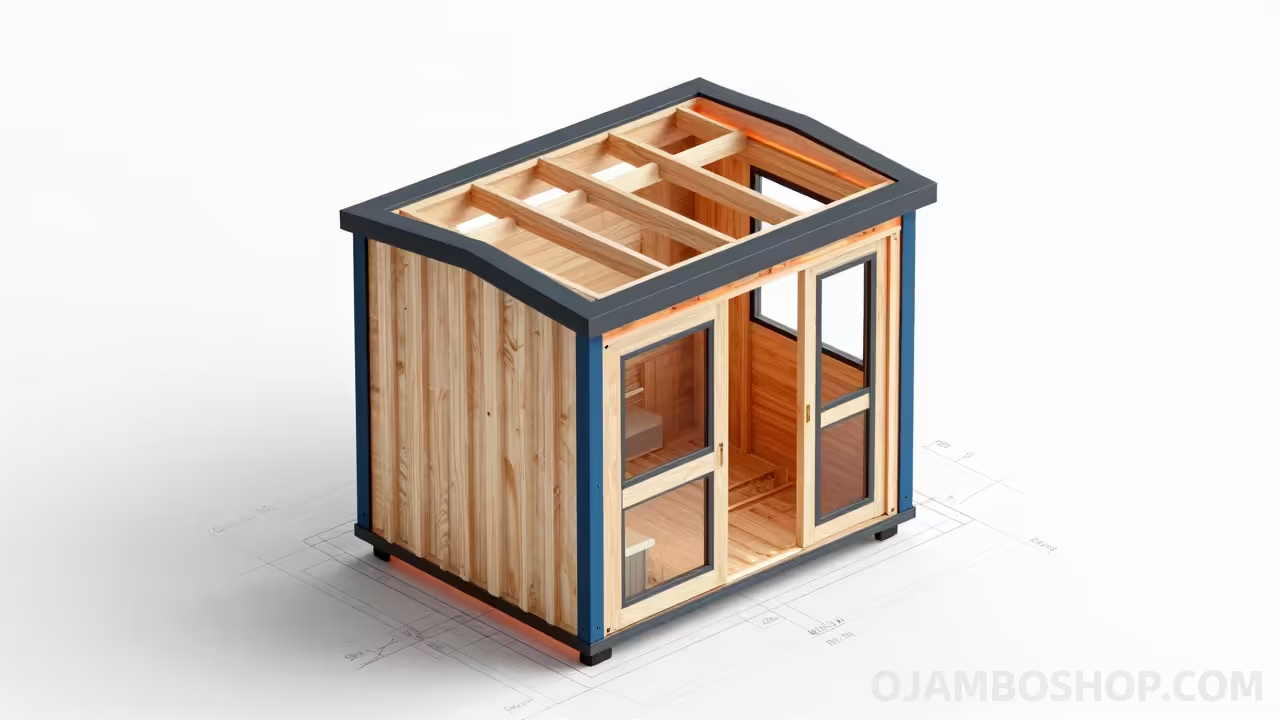
    The modern lean-to shed is the ultimate marriage of architectural simplicity and high-density storage utility. By utilizing a single-slope roof design, you create a structure that is easier to build and more weather-resistant than traditional gables.

    Adding an 8×10 structure to your property does more than just clear out your crowded garage or basement. A well-executed modern shed increases your total property value and provides a dedicated workspace or secure storage for high-end equipment.

    This specific blueprint focuses on the 8×10 footprint because it maximizes storage volume without requiring a complex permit in most residential jurisdictions. You will find that the vertical height of the front wall allows for significant shelving opportunities and natural light.


    Please disable AdBlock to enable the download button.


    Quick Specs

    Overall Dimensions: 8 Feet Wide by 10 Feet Deep by 9 Feet High.
    Estimated Material Cost: 1,200 to 1,800 Dollars depending on local lumber prices and siding choices.
    Difficulty Level: Intermediate DIY Project requiring basic power tool proficiency and framing knowledge.
    Estimated Build Time: Approximately 16 to 24 hours of active labor for a two-person team.


    Materials and Tools

    Your lumber list starts with pressure-treated 4×4 skids and 2×6 floor joists to ensure the foundation never rots. You will need roughly thirty 2×4 studs for the wall framing and ten 2×6 rafters for the roof assembly.

    For the exterior, we recommend using LP SmartSide panels for a modern look or horizontal cedar planks for a premium aesthetic. The roof requires three sheets of 5/8 inch plywood topped with a high-quality EPDM rubber membrane or architectural asphalt shingles.

    Essential tools for this build include a circular saw, a miter saw, a cordless impact driver, and a framing nailer. You should also have a four-foot level, a chalk line, and a speed square to ensure every corner remains perfectly plumb and true.


    Hardware Item Best Usage Case Performance Level
    Professional Wood Screws Structural Framing High
    Galvanized Box Nails Exterior Siding Medium
    Structural Lag Bolts Ledger Attachment Maximum
    Stainless Steel Screws Decorative Trim High


    Technical Layout

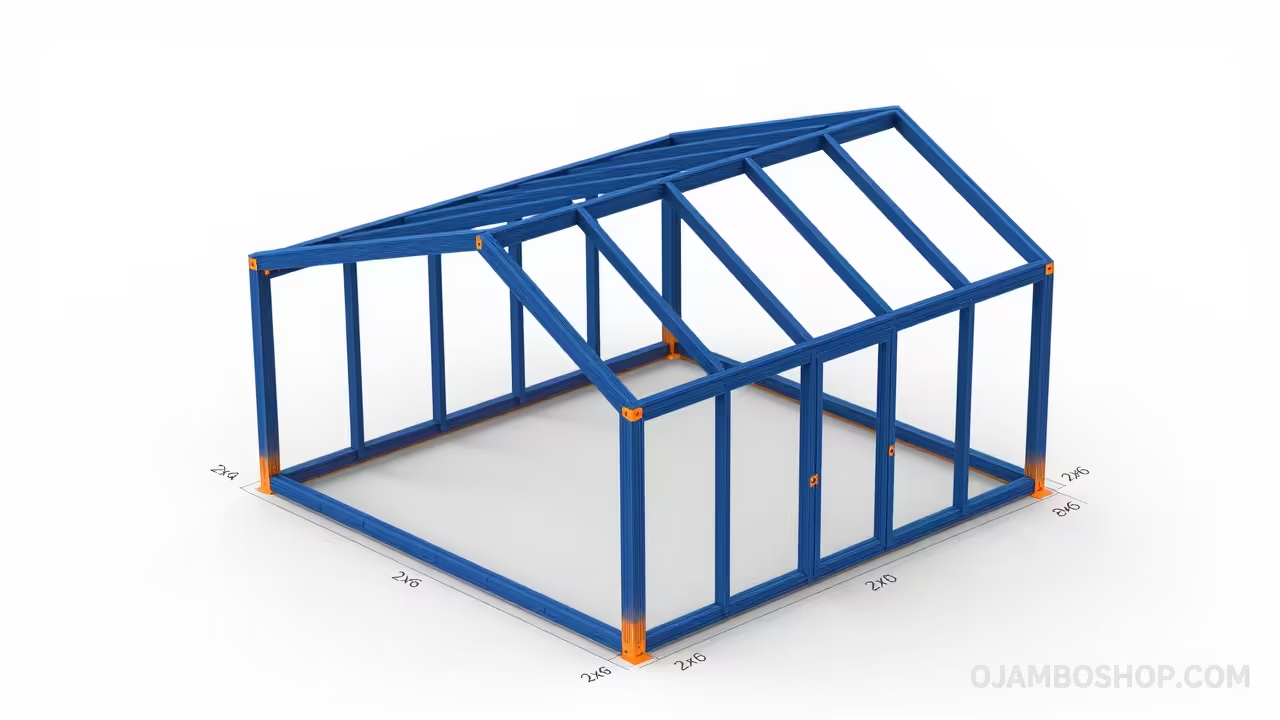
    The structural integrity of a lean-to shed relies entirely on the geometry of the side walls and the pitch of the rafters. In this 8×10 design, the front wall stands at 108 inches while the rear wall is set at 84 inches to create a steady slope. This height differential produces a 3:12 roof pitch which is ideal for shedding rainwater and preventing snow accumulation in colder climates.

    We utilize a standard 16-inch on-center framing spacing for all wall studs and floor joists to support heavy loads. The floor frame is reinforced with double headers on the rim joists to prevent the floor from sagging under the weight of lawn tractors or heavy tool benches. By using a birdsmouth cut on the 2×6 rafters, we ensure that the roof load is transferred vertically through the wall studs rather than putting lateral pressure on the top plates. This framing approach mimics professional residential construction and guarantees the shed will remain stable for decades without leaning or shifting.


    Modern 8x10 Lean-To Shed Technical Framing Detail
    Modern 8×10 Lean-To Shed Structural Detail


    Step-by-Step Instructions

    Step 1: Foundation and Floor Framing

    Start by leveling the ground and laying your pressure-treated 4×4 skids on a bed of compacted gravel or concrete blocks. Position the skids exactly 6 feet apart to provide even support across the 8-foot width of the floor joists.

    Construct the 8×10 floor frame using 2×6 pressure-treated lumber spaced at 16 inches on center. Use three-inch galvanized nails or structural screws to secure the joists to the rim boards and check for squareness by measuring the diagonals.

    Install the 3/4 inch tongue-and-groove plywood subfloor once the frame is perfectly level and square across all corners. Apply a bead of subfloor adhesive to the joists before laying the plywood to prevent any future squeaking or shifting of the floor boards.


    Step 2: Framing the Rear and Side Walls

    Build the rear wall on the shed floor to ensure a flat working surface before tipping it into its final vertical position. The rear wall should be exactly 84 inches tall and include a double top plate for added structural rigidity against roof loads.

    The side walls are the most complex part of the framing because the top plates must follow the angle of the roof slope. Calculate the angle based on your 24-inch height difference and cut your studs at varying lengths to create a smooth transition from front to back.

    Secure the bottom plates of these walls directly through the subfloor and into the floor joists using three-inch fasteners. Ensure every wall is plumb using your level and temporarily brace them with scrap lumber until the roof rafters are installed.


    Step 3: Framing the Tall Front Wall

    The front wall is the face of your modern shed and typically houses the door and any windows you choose to install. Frame this wall at 108 inches in height while leaving a rough opening for a 36-inch or 60-inch wide door system.

    Install a double 2×6 header over the door opening to distribute the weight of the roof rafters around the entrance. This prevents the door frame from sagging over time which would otherwise cause the door to stick or fail to close properly.

    Standardize your stud spacing at 16 inches on center even around the door opening to provide plenty of nailing surfaces for your exterior siding. Once the front wall is raised, nail the corners together where the front and side walls meet to lock the structure.


    Step 4: Rafter Installation and Roof Sheathing

    Cut your 2×6 rafters to include a 12-inch overhang on both the front and the back to protect the walls from rain. Each rafter requires a birdsmouth cut so it sits flush on the top plates of the front and rear walls.

    Space the rafters at 24 inches on center unless you live in an area with extremely heavy snow loads where 16 inches is preferred. Secure the rafters using hurricane ties or long structural screws driven through the top of the rafter into the wall plates.

    Install the 5/8 inch plywood roof sheathing starting from the bottom edge of the slope and working your way toward the high side. Stagger the seams of the plywood sheets to increase the overall shear strength of the roof diaphragm and the entire shed.


    Step 5: Exterior Siding and Trim

    Install a house wrap or moisture barrier over the wall studs before attaching your siding to protect the framing from rot. Start at the bottom of the walls and work upward, ensuring that each panel is level and properly overlapped to shed water.

    Modern sheds look best with clean lines so use 1×4 trim boards for the corners and the roof fascia. If you are using LP SmartSide, ensure you leave a 1/8 inch gap at the joints to allow for natural expansion and contraction.

    Pro-Tip: Always use hot-dipped galvanized or stainless steel siding nails to prevent rust streaks from forming on your exterior finish. Additionally, apply a high-quality exterior-grade sealant to all butt joints and around the door frame before you begin the painting process.


    Step 6: Roofing and Drip Edges

    Install a metal drip edge along the entire perimeter of the roof to prevent water from wicking back into the plywood sheathing. This simple step is the most effective way to prevent edge rot and extend the life of your roof by several years.

    Apply your chosen roofing material such as asphalt shingles or a modern metal roofing system over a layer of felt paper. If you opt for a metal roof, use specialized roofing screws with rubber washers to ensure the fastener holes remain completely watertight.

    Pay close attention to the high side of the lean-to roof where water might attempt to blow under the top edge. Use a wide flashing or a dedicated ridge cap to seal the transition between the roof surface and the top fascia board.


    Step 7: Door Construction and Hardware

    You can build a simple barn-style door using the leftover siding and 2×4 lumber for a matched look. Construct a Z-frame on the back of the door to prevent the heavy wood from sagging or warping over the seasons.

    Hang the door using three heavy-duty T-hinges that are rated for the weight of your specific door assembly. Ensure the door has a 1/4 inch gap on all sides to account for the wood swelling during periods of high humidity.

    Install a high-quality locking latch and a handle that matches the modern aesthetic of your new backyard structure. Adding a simple weather strip around the door stop will keep the interior of your shed dry and free of pests.


    Step 8: Final Finishing and Painting

    Fill all nail holes with exterior wood filler and sand them flush once the filler has dried completely. Apply a high-quality primer to any bare wood surfaces to ensure the finish coat of paint adheres properly and lasts for years.

    Select a modern color palette such as charcoal gray with natural wood accents or a classic white with black trim. Use an exterior semi-gloss or satin paint that is specifically formulated to resist UV damage and mold growth in outdoor environments.

    Do not forget to paint the bottom edges of the siding and the underside of the soffits where moisture often collects. Two coats of premium paint will provide the best protection and give your DIY project a professional, store-bought appearance.


    Common Mistakes

    The most frequent error in lean-to construction is failing to properly level the foundation skids before building the floor. If the foundation is even slightly off, every subsequent wall and roof line will be crooked, making it impossible to hang the door correctly.

    Another common mistake is neglecting to use a proper moisture barrier between the siding and the wall studs. Many DIY builders think the siding is enough, but wind-driven rain can penetrate seams and cause hidden structural rot within the walls.

    Builders often forget to account for the roof overhang when calculating the total width of the structure for tight spaces. Always remember that an 8×10 shed usually has a roof footprint closer to 10×12 once the eaves and fascia are factored into the plan.


    Maintenance and Safety

    Always wear eye protection and hearing protection when operating high-speed saws or pneumatic nail guns during the construction process. It is also wise to have a second person available to help lift the heavy wall sections and hold the rafters in place.

    Check the base of your shed once a year for any signs of pest infestation or wood decay near the ground level. Keeping the area around the foundation clear of tall grass and debris will improve airflow and prevent moisture from being trapped against the wood.

    Re-apply a fresh coat of paint or sealer every three to five years depending on your local climate and sun exposure. This simple maintenance schedule will ensure that your modern 8×10 lean-to shed remains a functional and beautiful part of your backyard for decades.


    Please disable AdBlock to enable the download button.